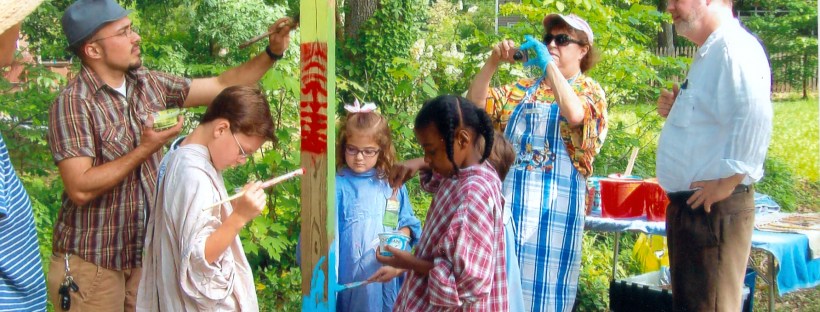
After Easter—Spring and Summer in the Garden! Wondering what to do with kids and adults in Ordinary time? Go outside!!! Our Christian Education team invited adults’ and children’s classes to come out to the Sweetwater Garden behind our church to make a Peace Garden. This garden is part of the Wylde Center neighborhood gardens. We enlisted folks who could help us but were not the usual teachers: a person who volunteered in the garden, another to build benches out of recycled wood, an artist to help paint the benches and the peace pole we erected as well as a bird bath that we decorated with mosaic tiles. Continue reading
Category: Faith Formation
PRC Webinars for Church Leaders
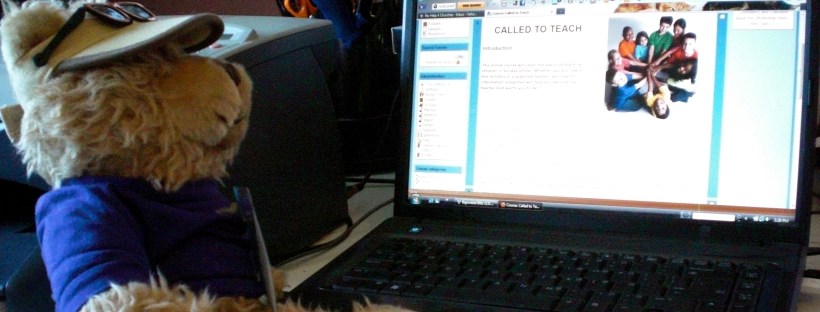
The internet has ushered in a new way of doing almost everything, from shopping to research. Here at Practical Resources for Churches (PRC), we’ve seen an increase in the use of the internet in how we interact with people, provide resources, and offer learning and growth opportunities. Although we still offer face-to-face experiences through our workshops and roundtables, our webinar program is continually expanding. Continue reading
Pentecost Resources
It seems like we just celebrated the glorious news of Easter, but Pentecost, the fiftieth day, is rapidly approaching. This is the day we celebrate the coming of the Holy Spirit and the birth of the church.
This seems to be a holy day where many churches craft their own intergenerational traditions, rituals, and ways of celebrating. Some congregations dress in red and take a church picture. Others release balloons symbolizing the spreading of the Gospel. Some fly kites, make pin wheels, or wave streamers/flags in worship to live out the Holy Spirit’s symbolization of wind in Acts 2, John 3, and in the very Hebrew and Greek words for spirit.
Many denominations provide resources or take up special offerings on this day. Here are some links to the denominational resources I found. What resources and ways of celebrating this festive day, have you found helpful? Continue reading
Planning for Adult Faith Formation
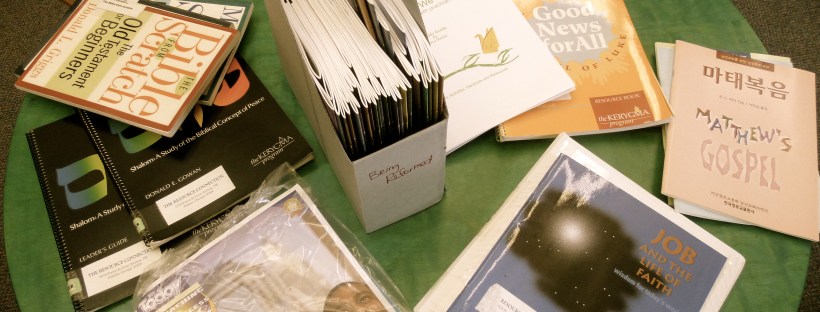
At the Association of Presbyterian Church Educators (APCE) Annual Event in Baltimore, Zeta Touchton Lamberson led a workshop on Adult Faith Formation. Believing that the role of the church is to walk alongside adults through their journey of faith providing resources, opportunities and conversations that will draw them into a deeper relationship with Jesus Christ, the workshop led the participants through a process of developing an intentional comprehensive adult education program. Using the Stepping Stones on the Journey of Faith resource (available from Zeta Lamberson at billzeta@bellsouth.net) four areas were identified as important: Biblical Knowledge, Worship & Sacraments, Stewardship & Mission, and Church History/Theology/Doctrine/Polity. The participants used a brainstorming process to identify resources that had been used in their churches in four areas. Following the event the list of resources were compiled and amplified and Zeta has shared them here and would love to know of other resources used successfully with adults. Continue reading
The Transformative Power of Short-Term Mission Trips
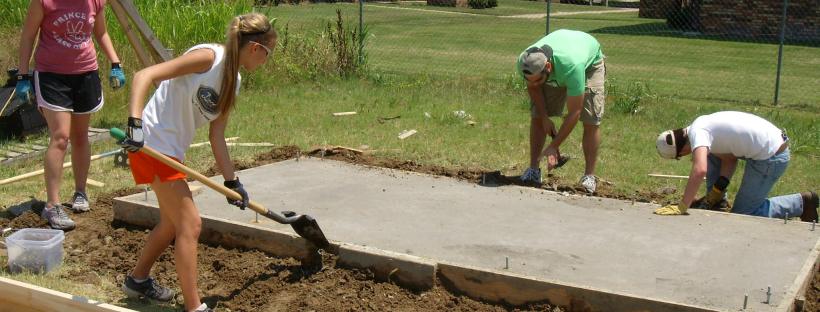
Opportunities to experience short term mission trips have exploded in the past few years as churches help their youth live into their call to serve those in need in Christ’s name. These trips not only express an understanding of our Reformed faith that we are saved to serve, but also tap into the need of young people to belong. Community building and faith sharing abound while living, working, and worshiping together for a few days. In addition, such trips develop life skills, shape our faith in new ways, and touch the deep hunger we all have to make a difference in the lives of others. Continue reading
Spiritual Wellness Curriculum
The Spiritual Wellness Center Inc.

The Spiritual Wellness Center Inc., is 501(c) 3 that was conceived through the research work for my Doctor of Educational Ministry Project. This study led me to conduct research on how a holistic spiritual care curriculum could engage the mind, heart, and soul of adults. The research concluded that adults could use a holistic approach to spiritual care which includes the mind, heart, and soul and explore ways to engage their triune being (mind, heart, and soul) for the discovery of purpose and meaning for life’s spiritual journey. Continue reading
Climate Justice
Dana Waters is a current Masters of Divinity Student at Columbia Theological Seminary. He also serves in youth ministry. This lesson plan speaks to the conversation we are having in the Facebook group today on Christian Education beyond the walls of the church.
I created this lesson plan after I realized that everyone in my youth group had learned about climate change at school and many other places, but it had never been discussed at church– not even once. How could this be? Continue reading
Living as Clay Jars
Kira Hader shares with us a lesson plan (in Word or PDF) that she used with middle school students this Fall based on 2 Corinthians 4:6-9. It fits well with the discussion we are having in the Facebook group today around spiritual nourishment and transformation.
The middle school students at the church I have been serving have been going through a curriculum called “Becoming a Woman of God” and “Becoming a Man of God”. Based off of these lessons I wanted to figure out a way to bring all the middle school students together and do a combined lesson that would be similar to their lessons, but presented in a new way. The clay jars passage in 2 Corinthians is one of my favorite passages and a great lesson for the youth to know and learn about. This lesson helps us look at those around us in a different light. Are you bullying people that don’t deserve it? Are we ourselves being bullied by others? How do we change our actions to reflect God’s love for us? Continue reading
Childhood and Religion Journal
Launched in 2010, the Journal of Childhood and Religion is a peer-reviewed, free, online journal that provides an interdisciplinary forum for scholars representing a wide range of research fields, interests, and perspectives that relate to children and religion. Such fields include religious studies, biblical studies, the range of human sciences, pastoral psychology, practical theology, pastoral theology, religious education, psychology of religion, sociology of religion, counseling psychology, social work, and cultural studies. JCR publishes articles dealing with childhood, youth, adolescence, and young adulthood, recognizing that these terms operate differently in a variety of cultural contexts. The journal welcomes original scholarship by recognized experts in their respective fields, but also seeks submissions from junior scholars as well as practitioners in work that supports children. Continue reading
Next Church Conference
On March 16, 2015, we looked at a database of Christian Educators of the 20th Century. Today we focus on emerging leaders in the church, specifically the Presbyterian Church (USA) and what they may be thinking about educational ministry and faith formation for the present and future church. The Next Church movement is a network of leaders in the PC(USA) committed to hopeful conversations and reflections on ministry that is more relational, diverse, and collaborative. They host an annual conference and regional gatherings to carry out their mission. If you want to catch this year’s annual conference that began yesterday, they are offering live streaming on their website. There are also members of our Hope4CE Facebook group in attendance this year, who will be contributing their insights via Twitter, Facebook, or through this site.
A portion of this conference is set aside to present short Ignite talks (no more than seven minutes) that detail innovative ideas on a variety of topics. One of these talks from last year, by Landon Whitsitt is linked here. It launched a site of free resources (short videos with accompanying study guides) for new member and church officer training called Theocademy. Although designed specifically to address theology and polity in the Reformed tradition, they may be useful to others beyond the PC(USA) or to “ignite” your own ideas regarding educational ministry for these groups.
I wonder how you address new member and officer training in your church or denomination.
Kathy Dawson, Associate Professor of Christian Education, Columbia Theological Seminary