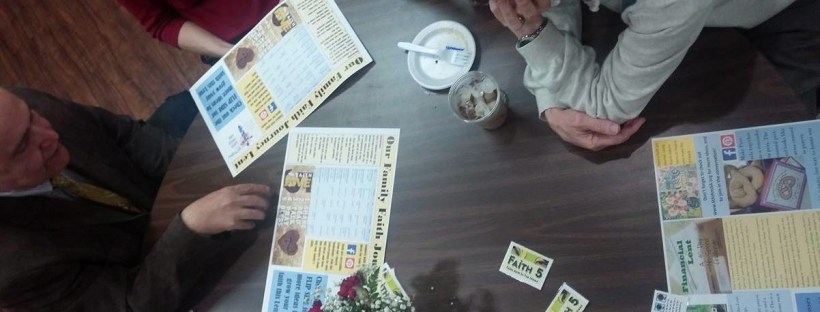
During this time of experimentation and innovation in church ministry, as churches move out of their buildings and into homes and virtual spaces, there is one consistent thing I hear from many educators. “There are so many great ideas out there that I’m feeling overwhelmed right now and can’t do it all!” As we continue to face this pandemic together, I would encourage and challenge your church to pick one new idea and do it well. In this post I will focus on adult education and will detail the one good idea that Oakhurst Presbyterian Church has been doing during Lent. At the end there will be an attachment with more good ideas for adult education that may spark your own one good idea. Continue reading
A VIRTUAL BIBLE BRIDGE
Let’s seize upon social distancing to build a virtual bridge (via Zoom) between our children/families and church staff, along with congregants known to have a special skill or hobby, or just a love for children. Beyond your church resources, many curriculum partners now offer FREE online “pandemic” materials (see attached). The Zoom platform is user-friendly and we all know techie folks. Our work is to coordinate these virtual partners.
TheoEd Talks
Several years ago, our church began wondering how to advance church-based theological education. While the church continued its traditional Sunday school and adult bible study programs, we also perceived that the culture around us was changing. Our members (and potential members!) interacted with sophisticated, on-demand technology every day in their offices and homes. Those in our community listened to podcasts as they commuted and streamed YouTube videos in the evening. How could we better leverage technology in our Christian Education programs? Could we think more creatively about how to deliver our programming to an increasingly busy and technologically-savvy congregation?
Tables with Jesus
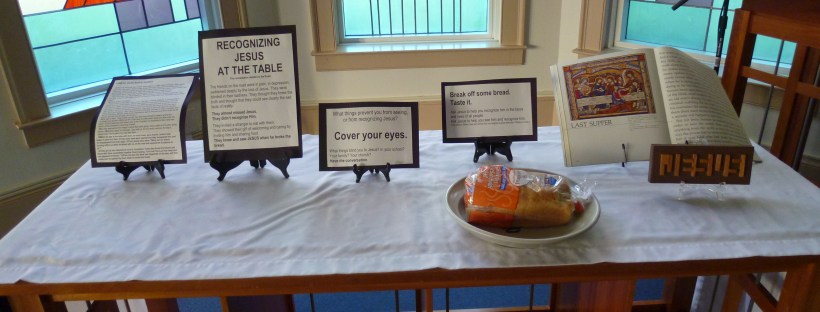
Are you looking for intergenerational worship centers that get all ages to think and become active with their faith? Well, I have a source to share that we tried out at Columbia Theological Seminary a week ago that was a success.
And the Survey Says . . .
Sharon Ely Pearson shared the results of her ecumenical curriculum survey on her own blog. I wonder how your ministry matches or challenges these results.
An on-line survey was held on a voluntary based during June 2016 to learn what curricular programs were being used in congregations with children, youth, and adults. The survey was disseminated through e-mail and social media (predominately Facebook groups) and various organizational list-serves (Forma, APCE, CEF,AUCE, and the Christian Education Network of the ELCA). The construction and results of the survey was conducted by the research group of the Church Pension Group, the parent company of Church Publishing Incorporated. The analysis of the data is strictly mine, and I take all responsibility for its interpretation.
Godly Playcontinues to be the most used program with children, with Montessori-type programs used by 36% of churches. The other three types of curriculum were lectionary-based (25%), Bible story based (30%), and workshop rotation model (9%). Most churches use a variety of resources, combining and tweaking them…
View original post 379 more words
Faith Sprouts
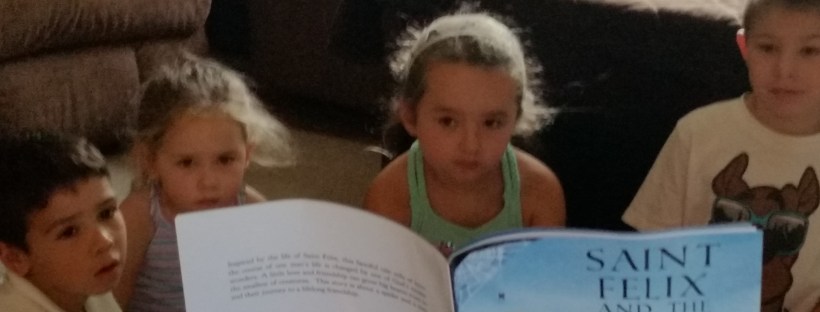
Over the past couple of years, I’ve had a number of questions from parents and grandparents about where and when to start talking to their young children about faith. Many of them have little or no experience as children themselves or ones that they would not like to repeat. Recently, I began a blog “FaithSprouts”. Designed to provide simple ways to engage small children around stories of faith, the blog includes a short reflection for caregivers, a book suggestion, an activity and a suggested prayer. You can find the most recent blog here . Hopefully these simple stories and practices can support faith in each household.
Linnae Himsl Peterson
Coordinator, Formation Network NH
Episcopal Church of NH
Christian Faith, the Bible, and Public Schools
My mother began her teaching career in the public schools in the early 1970s. Over the years, she has recounted the times when she was expected to read the Bible to students. She remembers lovingly sharing Bible stories and even praying with her elementary-aged students. However, as the years passed, those expectations changed, and by the time she retired a few years ago, she no longer read—and wonders if she would have been allowed to read—Bible stories to students.
There is no question that the role of the Bible and Christian faith in the public schools has changed dramatically over the last half century. Some of these changes have been for the better; others have been less positive. Still, it has left some wondering, “Is there a place for the Bible and Christian faith in American public schools today? And, if so, what is it?”
The Village
Our story is so common, a 125 year old congregation, inner-city, wants to minister to the community around it, I’m sure you have heard it all before.
The Facts:
Our average attendance: 170ish
Average Sunday school was: 30ish (all in, all ages)
Most families attended once a month
We have a separate family chapel, attended by substantially more persons than Sunday school hour.
Our take away was that families are interested, but not in our traditional model.
We kept coming back to the old adage “it takes a village…”
Lunar New Year for All Ages
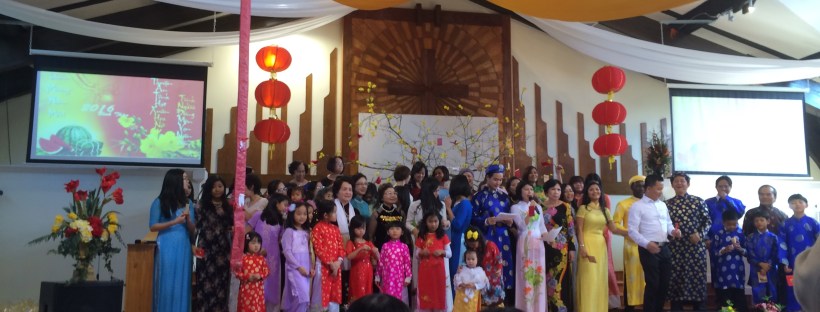
Today for many of our sisters and brothers from the eastern hemisphere is the Lunar New Year celebration. I was blessed to be invited to a celebration yesterday by one of our students, Loann Nguyen, to her church, Faith Vietnamese Baptist Church, and was struck by the intergenerational activities that were a part of their celebration of this holiday. Continue reading
Make Room: A Big Picture View of Lent
When my children were very young I always looked forward to the changing seasons. Inside and outside the church, the turning of the circle brought new colors and sights and smells—plenty of opportunity to explore and create.
My little library of activity books kept us busy. But when it came to Lent I was never satisfied. The kids and I ironed grated crayon on to waxed paper to make stained glass crosses; we made purple paper chains, and hot crossed buns; we even blended and burned our own incense. But something was missing. Continue reading